Mastering Golden Hour Lighting
Light is the photographic medium's only raw material. Learn how solar elevation, atmospheric refraction, and colour temperature dictate the emotional presence of your portraiture.
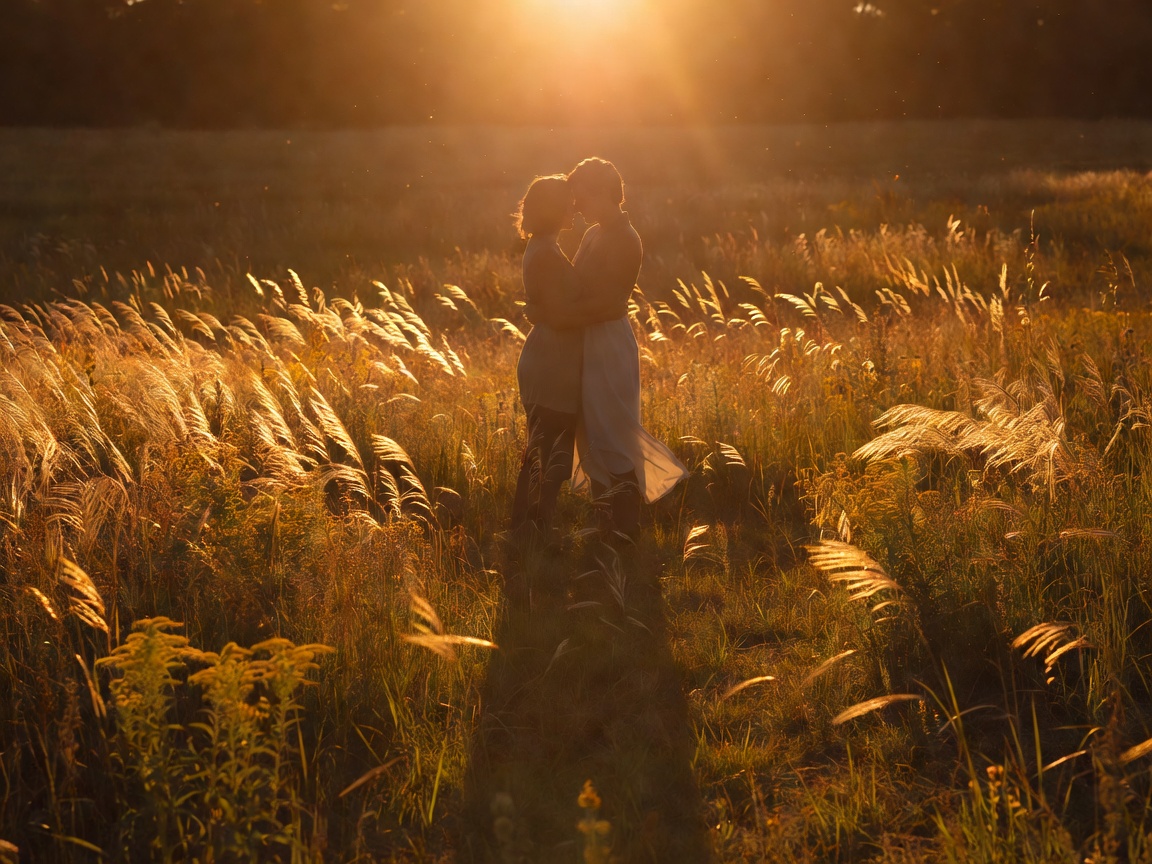
The Physics of Golden Hour
Occurring roughly sixty minutes before astronomical sunset, the golden hour occurs when the sun sits between 6° and -4° relative to the horizon. Because photons traverse an exponentially thicker layer of the Earth's atmosphere, shorter blue wavelengths scatter away, leaving warm, flattering wavelengths of orange, amber, and vermilion (approximately 2800K to 3500K).
Three Crucial Lighting Phrasing Techniques
A seasoned photographer uses natural sunlight purposefully across three distinct setups:
- Direct Backlighting (Rim Illumination): Placing the sun behind the couple produces a glowing halo along hair strands and dress fabrics, separating subjects cleanly from shadowy backgrounds.
- Reflected Front Fill: Positioning the subjects facing a light-toned stucco wall or dry gravel road bounces warm light back into their eyes, eliminating eye socket shadows without requiring battery-powered flashes.
- The Blue Hour Transition (Civil Twilight): In the fifteen minutes following sunset, ambient light drops to 6500K–9000K cool indigo. Combined with warm reception tungsten lamps, this period offers balanced, cinematic colour contrast.
Timeline Scheduling for Predictable Light
Midday ceremonies (12:00 PM to 2:00 PM) cast steep vertical shadows under brows and cheekbones. We recommend scheduling 25 to 30 minutes of portraiture strictly between 45 minutes prior to sunset and 10 minutes after. Coordinate with your caterer to slip away between courses so your photography timeline doesn't compete with hot meal service.