Curated Photography Genres
Before interviewing photographers, define the core visual tone that echoes your personal taste. Browse our detailed breakdown of leading stylistic movements in contemporary matrimony documentation.
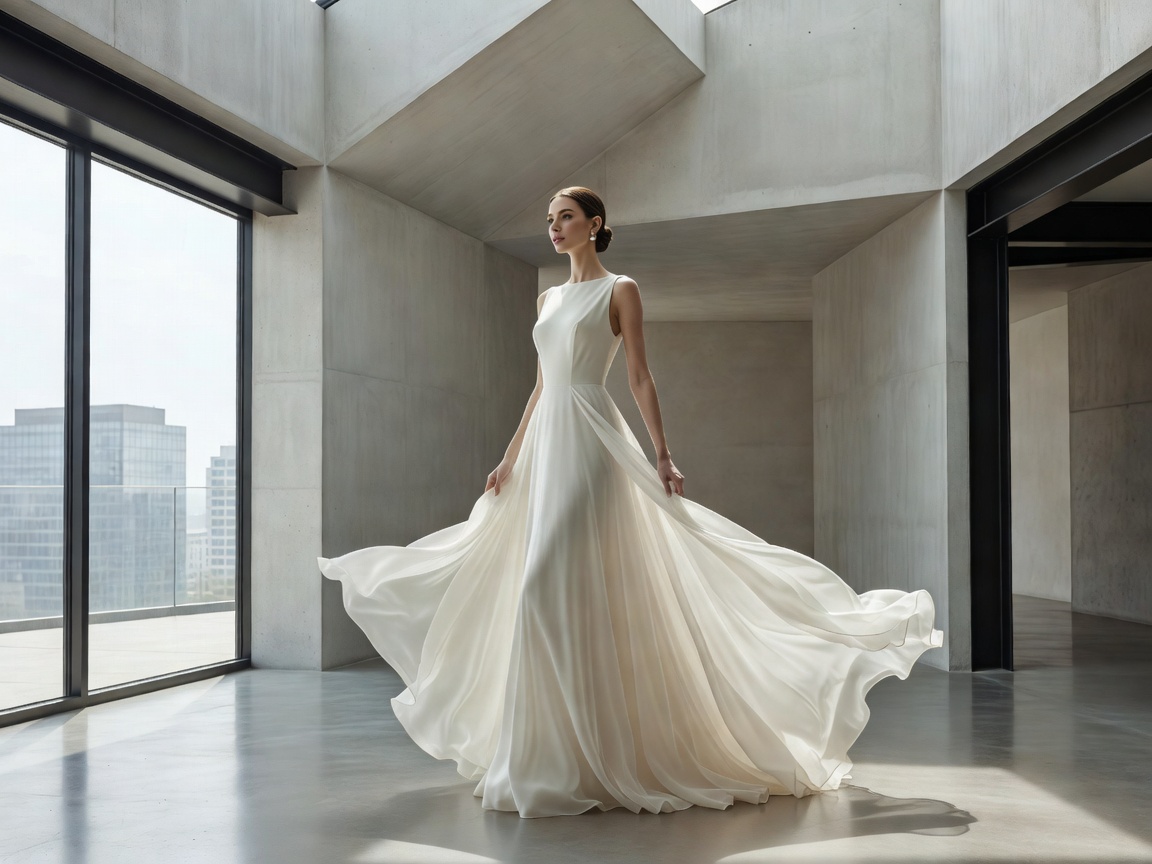
High-Fashion Editorial
Characterised by deliberate placement, immaculate geometry, soft diffused lighting, and an uncluttered visual plane. Each frame looks fit for a luxury fashion retrospective.
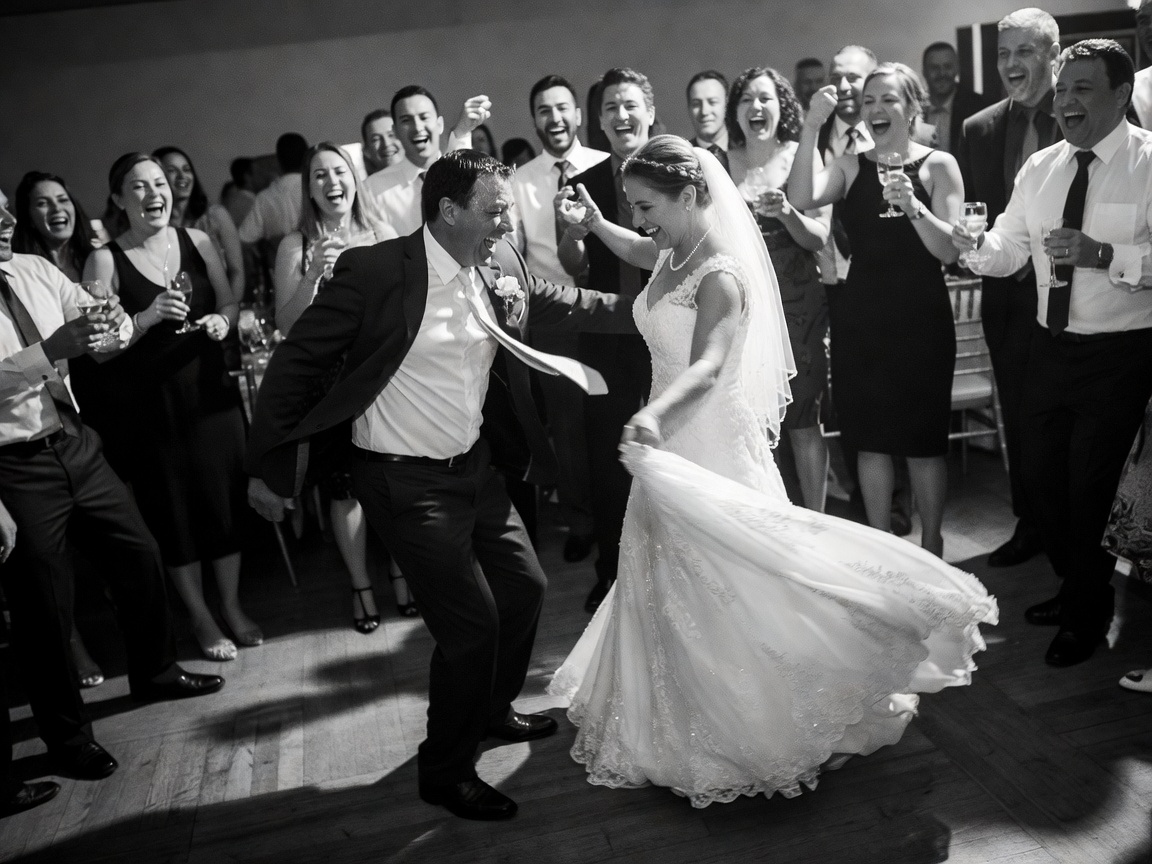
Documentary Realism
Zero intervention, unscripted pacing, and authentic dynamic range. The documentarian mirrors your celebration without altering venue lamps or pausing your walks.
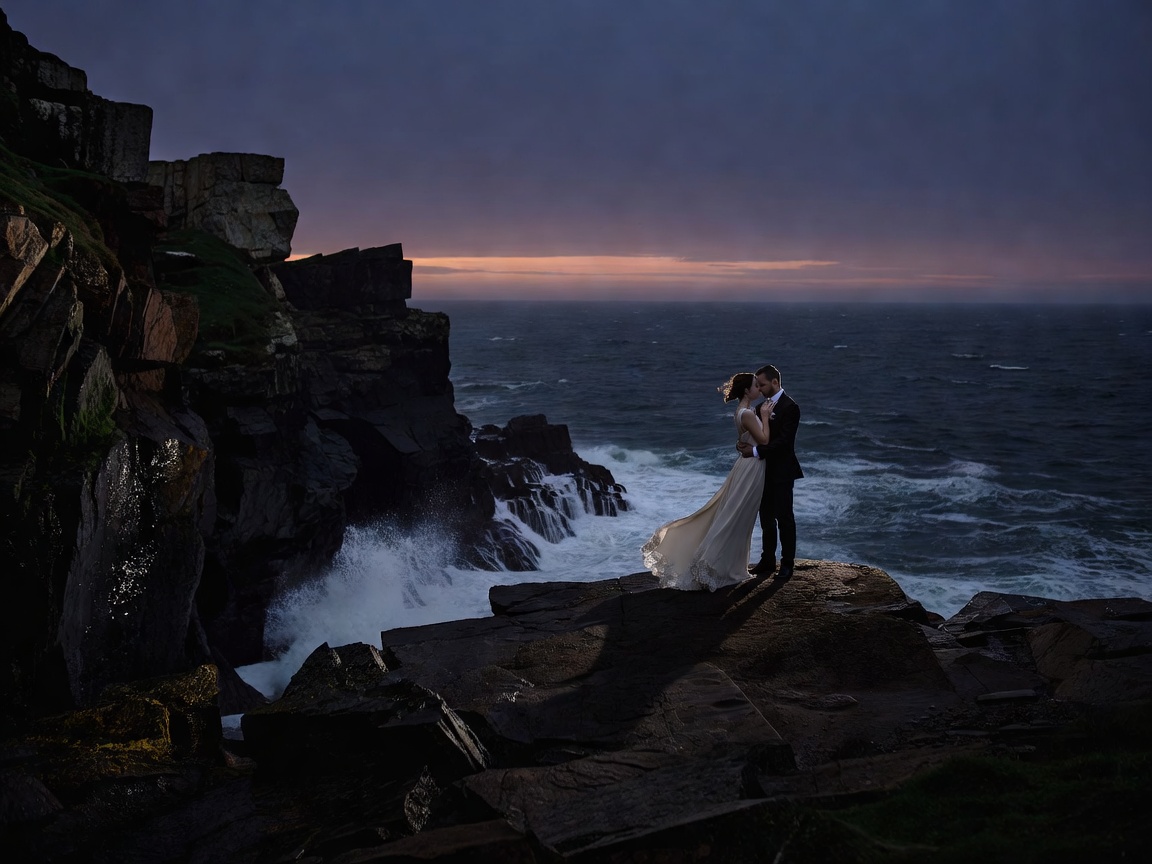
Moody Atmospheric Film
Deep shadows, honeyed highlights, and subtle film grain inspired by cinematic cinematography. Exceptional for wild landscapes, misty woodlands, and candlelit dinners.
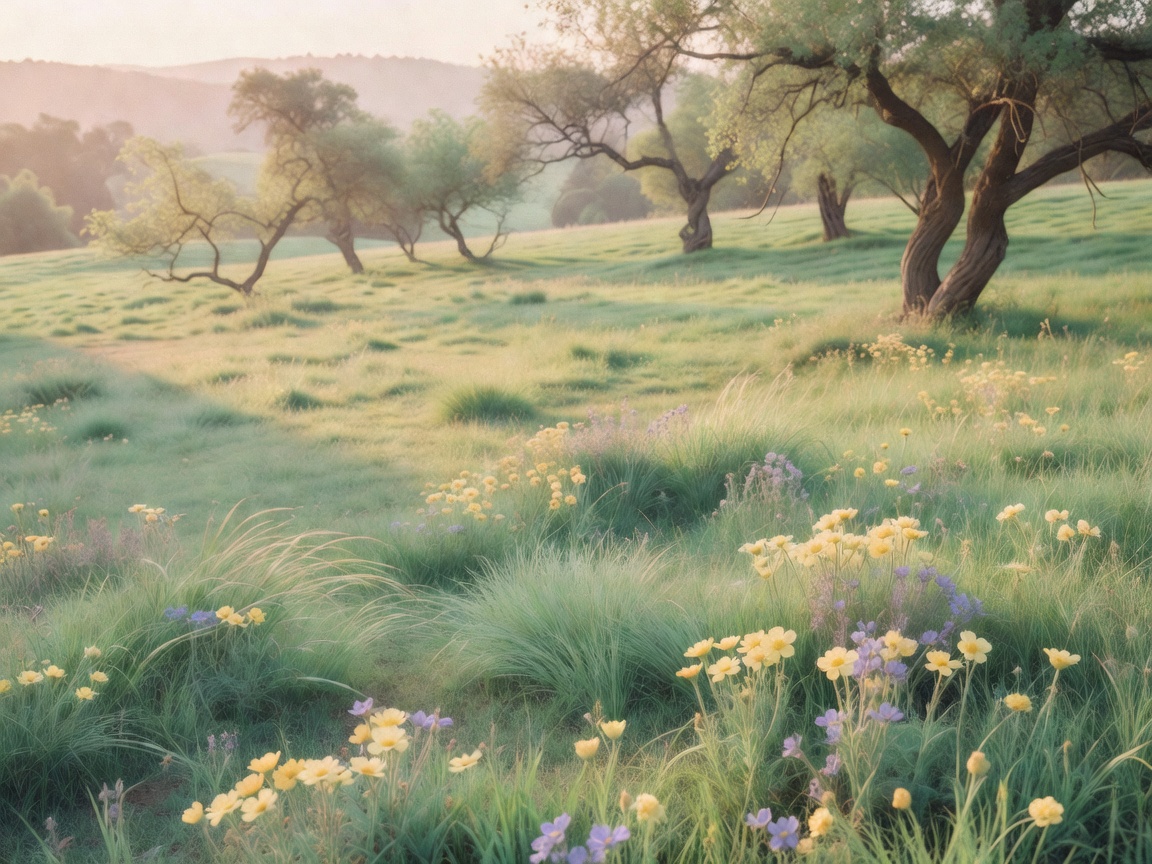
Authentic Film & Hybrid
Shot entirely on 120mm medium format rolls or 35mm stocks like Kodak Portra 400. Soft micro-contrast, organic grain patterns, and flattering skin rendering.
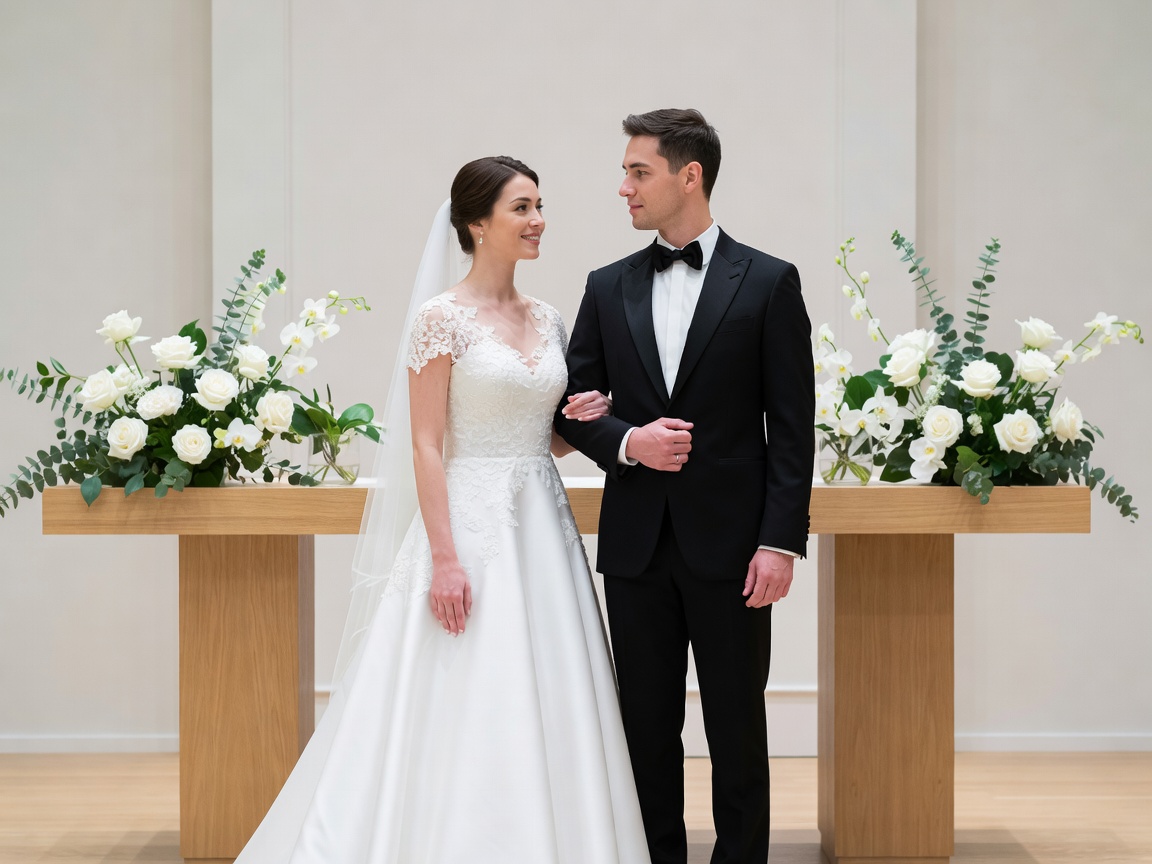
Timeless Romanticism
True whites, faithful skin tones, and gentle, flattering posing. Avoids heavy post-production tinting, ensuring family portraits retain their visual appeal across decades.
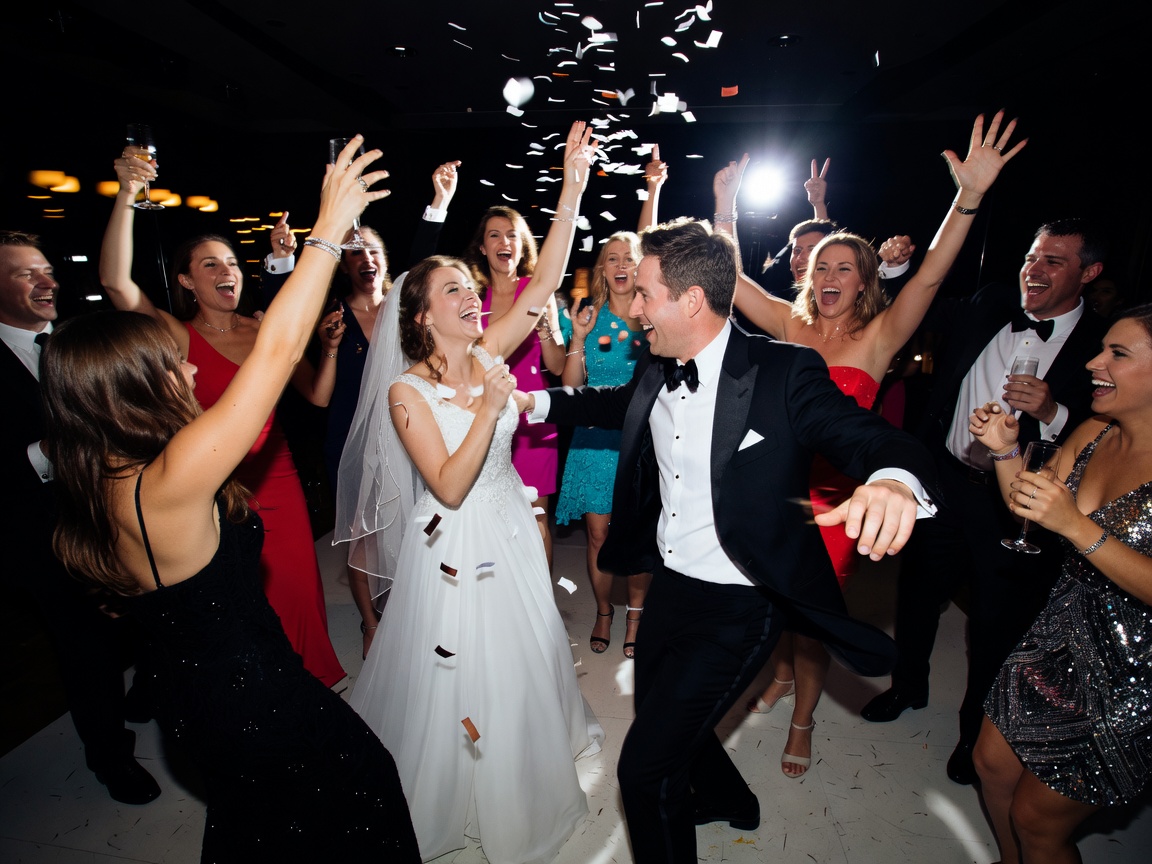
Direct Flash Nostalgia
High shutter drag, direct on-camera speedlight burst, and 90s party aesthetics. Ideal for late-night dance floors, sparkler exits, and celebratory champagne toasts.
How to Communicate Your Preference
When briefing prospective wedding photographers, avoid vague terms like "natural" or "candid," which mean different things across the industry. Instead, point directly to lighting characteristics (high key vs. low key), posing intervention levels (directed editorial vs. observational photojournalism), and colour grading (warm amber film vs. neutral documentary clarity).